
A wobbly card reader is easy to catch. A perfectly still one is not, and it was a still one that got my numbers, outside a gas station near SouthPark Mall here in Charlotte, around the same time a fake IRS caller talked my dad out of thousands of dollars in gift cards. Two scams, two months apart, one family. In the years since, I've paid close attention to every pump I use, and one thing keeps surprising me: the advice everyone repeats about spotting a gas pump skimmer only covers half the problem.
Here's the misconception: most people think a card reader that doesn't wiggle is safe, and one that does is dangerous. That's true as far as it goes, but it stops short of the part that actually cost me. The tug test only catches overlay skimmers — the bulky plastic shells bolted on top of a legitimate reader. It says nothing about what might be sitting inside the machine, untouched by anything your hand can feel.
The Jiggle Test Only Catches Half the Threat
I still do the jiggle test every time. I grab the reader, give it a firm tug, and if it moves even a little, I walk away. It's the same instinct as checking a front door is actually locked before bed: quick, almost automatic, and worth doing even though it only rules out the crudest kind of theft. I look for the security tape next, the adhesive strip stretched across the cabinet seam that's supposed to show a "VOID" pattern if anyone has pried the panel open. When that tape is peeling or doesn't line up right, the sticky edge catching under a fingernail, gas fumes and old glue hanging in the air, that's the moment to stop and use a different pump.
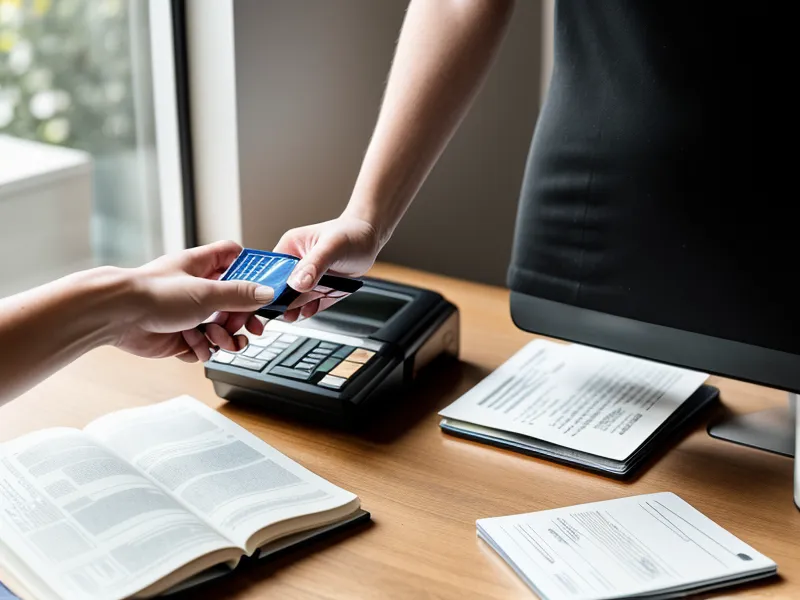
None of that changes what happens once a thief actually has your number. Under the Fair Credit Billing Act, your liability for charges you didn't make is capped at 50 dollars — though the law says nothing about the seven to ten business days you'll spend without a working card while the bank mails a replacement. I've lived through that wait more than once, and it always lands at the worst possible moment, right when something else needs paying.
Hidden Threats Your Eyes Cannot Detect
A shim is a different animal entirely. It's a paper-thin device, thinner than a credit card itself, slid down inside the card slot where no amount of tugging will ever find it. Nothing on the outside changes. No loose panel, no crooked tape, no give when you pull on the reader — the pump looks completely normal because, from the outside, it is. That's the half of the threat the jiggle test was never built to catch.
Some of these setups go further and skip the retrieval trip altogether. A compromised pump can carry a small transmitter that broadcasts card data over Bluetooth to a receiver up to thirty feet away, which means the person collecting your information never has to come back and touch the machine again. They can sit in a parked car at the edge of the lot with a laptop and let the numbers come to them. I noticed someone doing exactly that once: parked, engine off, in the same spot for over an hour. Maybe they were just waiting on a phone call, but I wasn't sticking around to find out.
Recovering from a shim or a Bluetooth skimmer looks almost identical to recovering from a stolen wallet, which is honestly good news, because it means you already half know the playbook: cancel the card, watch the statement, decide whether you need a fraud alert or a full freeze depending on how far it's gone. If you haven't already, it's worth reading through what to do when your wallet is stolen to prevent fraud, since the steps overlap almost point for point.
Every Layer of Protection Solves a Different Problem
My neighbor Bettye Carnes showed up at my door one Sunday holding a printout of three credit inquiries she didn't recognize, wanting to know why she couldn't just call someone and have it fixed over the phone (she's never trusted the online portals for anything official, and honestly I don't blame her). But her problem and a skimmer problem aren't the same problem, even though both get lumped under "identity theft" in people's heads. That's the bigger misconception underneath the jiggle-test one: people treat every protection tool as interchangeable, when each one actually covers a different gap.
Dark web monitoring, the kind Norton 360 bundles in, tells you when your information turns up for sale after the fact. It does nothing to stop a skimmer from grabbing it at the pump in the first place. A stolen Social Security number is a deeper, longer risk than a cloned card. A bank can reissue a card in days, but an exposed SSN follows you around for years. And if a skimmer does win, filing a report through the FTC's identity theft process is the first form you fill out, not something you get around to eventually. Monitoring, insurance, and restoration also get sold as one bundled subscription, but they're three different features solving three different problems.
Data broker removal services handle a completely different leak — whatever's already sitting in public databases about you, not what just happened at pump six. Your email account, more than your card number, is usually the credential a scammer actually wants, since it unlocks password resets for everything else you own. SIM swapping is its own attack entirely, hijacking your phone number so someone else intercepts the verification texts your bank sends. Voice-cloning scams are newer and stranger, and the only real defense is calling back on a number you already trust instead of believing what you just heard on the phone. A VPN, for what it's worth, encrypts what you send over public Wi-Fi, but it has nothing to do with a compromised reader sitting three feet from you at the pump.
The One Fix That Actually Beats a Skimmer
Underneath all of that, here's the one fix that actually solves the specific problem this whole thing is about. Gas pump skimmers — the illegal readers concealed inside the payment terminal — steal data off a card's magnetic stripe. Tap-to-pay skips that step completely. Hold a card or a phone near the reader instead of swiping or inserting, and the magnetic stripe never gets read at all, which means this particular kind of theft has nothing to grab. It's the one part of this whole mess where the fix is genuinely simple.

Credit or Debit at the Pump?
Credit or debit matters more than people think when tap-to-pay isn't an option and you have to swipe or insert. Use the pump closest to the attendant's window if you can (not a guarantee, but it stacks the odds a little). Scammers tend to avoid tampering with equipment sitting right under a cashier's nose. More importantly, use a credit card, never a debit card, for the fuel purchase itself. If a thief hits a credit card, it's the bank's money on the line while you dispute the charge. If a thief hits a debit card, it's your money gone immediately, straight out of whatever account pays your bills that week.
The Unglamorous Reality of Recovery
I got a LifeLock alert once while sitting in my car in a Costco parking lot — someone had tried to open a new account in my name, caught before it went anywhere. I told Deon Corbett about it at work the next morning, the guy in the next cubicle over, and he just nodded the way he does when nothing rattles him and asked if I'd called the bank yet. That's Deon. Nothing shakes him.
If a skimmer situation tips into something bigger, you may need to file an Identity Theft Affidavit. For tax-related fraud specifically, that's IRS Form 14039, and keeping a blank copy in your files ahead of time saves you from hunting for it while you're already panicking.
The paperwork side doesn't always cooperate either. When my own card got cloned, the bank's online dispute form made me re-upload the same transaction documentation three separate times before it finally accepted the claim, which is its own kind of maddening when you're already frustrated and a website keeps asking you to prove the same thing over again. That experience is part of why I freeze my credit at all three bureaus for free anytime I'm not actively applying for something. It won't stop a skimmer at the pump, but it closes the door on what a thief could do with anything else they get their hands on.
None of this makes you untouchable, and I'm suspicious of anyone who tells you it does. That kind of promise sells subscriptions, not safety. What actually works is layering the physical check with the technical fix: jiggle the reader, check the tape, and then use tap-to-pay whenever the pump offers it, because that's the one habit that shuts down the exact theft this article is about. If a pump looks even slightly wrong, drive to the next station. A few extra minutes beats months of paperwork every time.